

Blog
29th May 2026
Beer tasting guide: crisp vs dry beer
Ever read “crisp and dry” on a beer label (or wine?) and thought, “hmm, aren’t those basically the same thing?”. Don’t worry, you’re not alone. We’ve all been there! But we’re here to clear things up!
Like a lot of brewing vocabulary, the terms “dry” and “crisp” are often confused and used interchangeably.
In all fairness, they aren’t worlds apart. But, while there’s some overlap, they have different meanings and bring different qualities to a beer.
What are crispy beers?
Now, we’re not talking about potatoes or onions here. “Crisp” has other meanings too.
Essentially, a crisp beer is light, refreshing, and drinkable in the hot sun.
But the defining attribute of a crisp beer is carbonation.
Think back to the last lager you drank... how bubbly was your first sip? How long did the fizz last? Did you get a “tingly” feeling? If you could relate to any of those, the beer was probably crisp.
Thanks to our favourite lab equipment, we can measure the volume of carbonation in beers – this helps us explain, on paper, exactly how a beer tastes and feels. However, it’s pretty easy to figure it out without the science once you know how.
Higher carbonation is typically found in lighter bodied beers which are brewed mainly with pale barley malts. You wouldn’t normally expect the same lively carbonation in a rich, roasty stout where grains such as oats and dark grains are often used for a thicker, creamier mouthfeel.
- Bubbly, lighter-bodied lager = crisp.
- Thick, smooth stout = not crisp.
Understanding dry beer
A dry beer is clean on the palate and doesn’t leave a lingering sweetness. This is because it’s more fully fermented.
A dry beer may or may not be less bitter. For example, a Japanese lager may be dry, and not bitter, but a Belgian Saison may be both dry AND bitter.
How is the dryness achieved?
During fermentation, the yeast eats the sugars from the grain and converts them into alcohol.
The more sugar the yeast consumes, the drier the brew becomes. To retain sweetness, we may stop or limit fermentation or use a different yeast which naturally leaves more sugars.
Essentially, the more residual sugar left in the brew, the less dry the beer will taste.
There’s a few ways brewers can stop or limit fermentation:
- Chemical stabilization: adding certain brewing additives help prevent the yeast from fermenting and therefore consuming sugars.
- Temperature control: lowering the temperature of the brew to near freezing temperatures – cold crashing - helps force the yeast into dormancy and it settles at the bottom of the tank, from where it can be removed. Alternatively, raising the temperature - pasteurisation – can kill the yeast completely.
- Filtration: which simply uses a fine membrane sterile filter remove the yeast from the brew.
How dryness affects the beer tasting experience?
Flavour: thanks to a lower sweetness, other flavour in the beer becomes more pronounced Allowing you to taste the hop character and malt notes more clearly.
Aroma: Similarly, dry beers often have cleaner aromas without being masked by sweetness.
Body: Dry beers generally feel much lighter, with more noticeable carbonation (as we said, dry and crisp go hand-in-hand).

What are the best crisp lagers for summer?
Crisp lager is the perfect summer tipple. But some standout beers, in increasing order of bitterness, include:
- Mexican lagers, like our 4.5% Mexican-style lager – Mexicana.
- Table beer, check out our 3% table pale – Spectator.
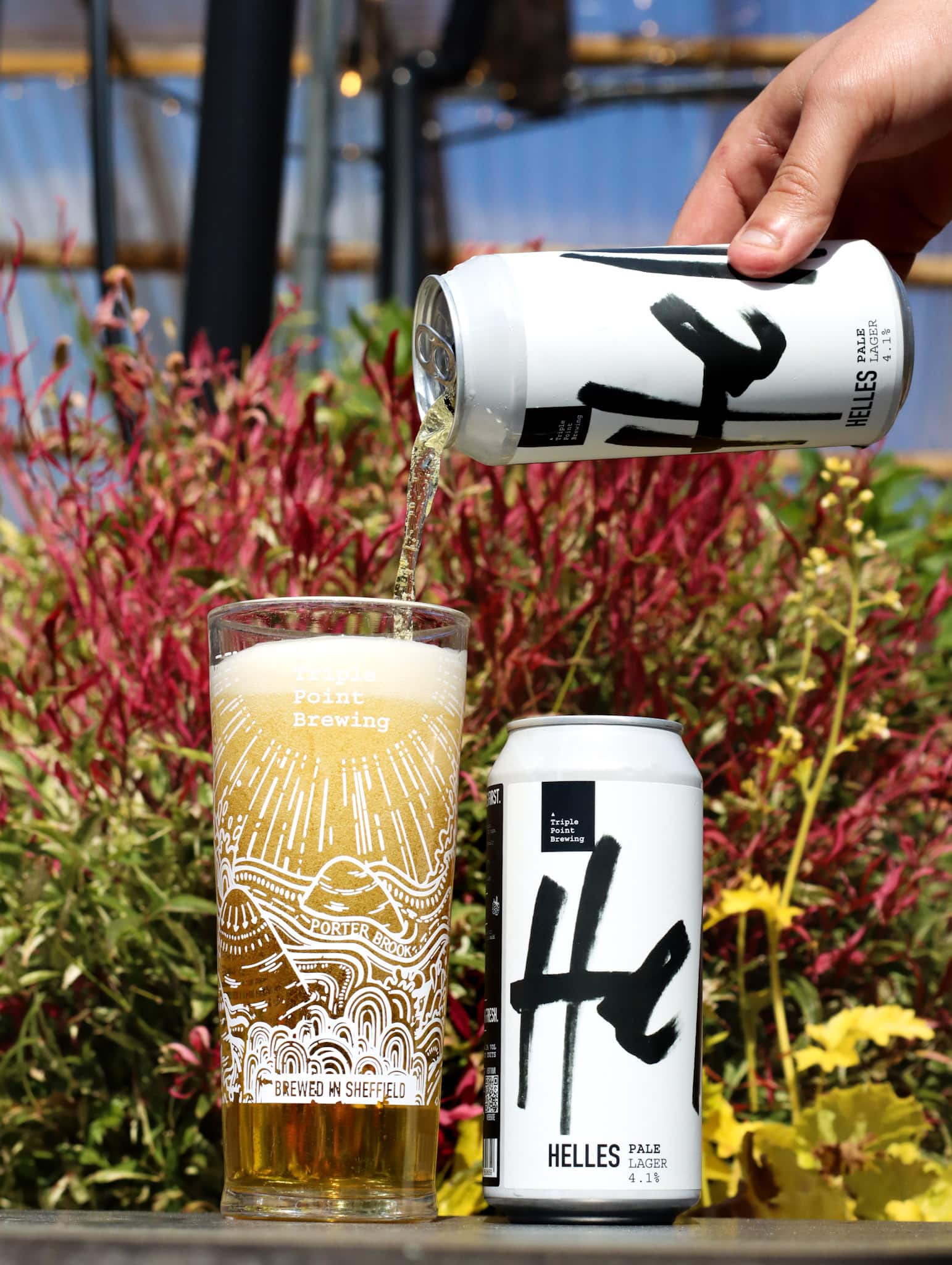
- Helles lagers, like our 4.2% Helles Lager – Helles.
- Pilsner lagers, like our 4.8% - KellerPils.
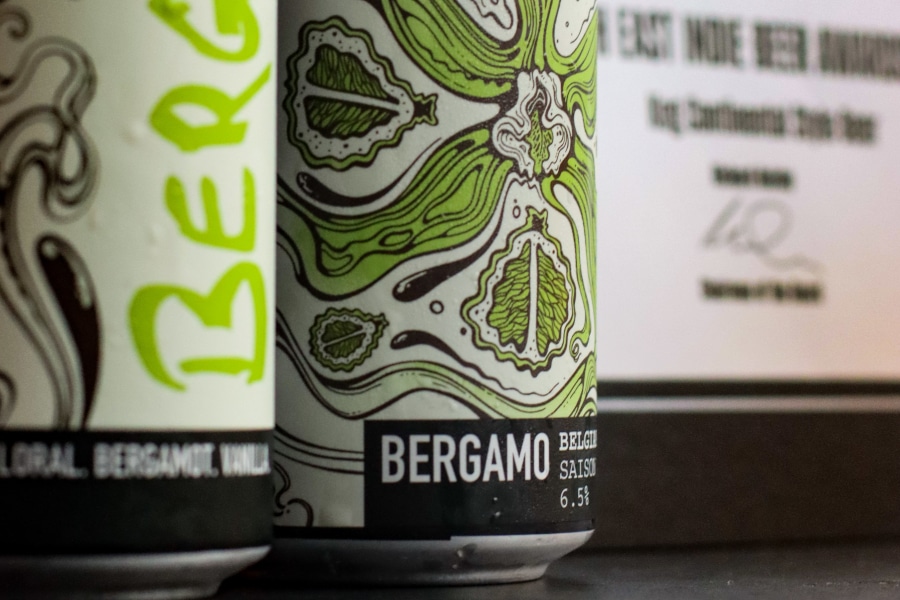
- Saison, such as our 6.5% Belgian Saison – Bergamo.
Do crisp and dry complement each other?
Honestly, the two work in harmony together. And you’ll find many beers are both crisp and dry.
The crisp characteristics help to refresh the palate through carbonation, and they dry characteristics keep it tasting nice and clean. It’s a love story.
What food pairs well with crisp and dry beers?
Food and beer pairings are always somewhat subjective, but certain pairings really do work well together. Crisp carbonation cuts through fatty foods, and the dryness helps cleanse the palate between bites.
Crisp, dry beers like classic German pilsners contrast nicely with rich, oily, fatty foods like:
- Burgers
- Fish and chips
- Fried chicken
- Pizza
Enjoy reading this guide? Check our Beer Tasting Guide: Hoppy Vs Bitter too.